The Department of Biomedical Engineering organized an Alumni Guest Lecture on 06.04.2026 at Online (Google Meet). The session was delivered by Mr. R. Marimuthu and Mr. F.Saqhibudden Ahmed, Project Research Scientist – I, (ICMR – Funded Project) and Research Scholar at VIT University, Vellor who belongs to the 2019 to 2023 Batch of the department.
The objective of the session was to provide insights into biomedical research opportunities in rehabilitation technology, create awareness about advanced rehabilitation techniques, and motivate students to explore research and career opportunities in this emerging field.
The lecture provided valuable insights into the importance of rehabilitation technology and the emerging research opportunities in the field of biomedical engineering. During the session, the Alumni Guest are explained the concept of rehabilitation and its significance in improving the quality of life of patients by restoring physical, mental, and cognitive abilities. They discussed various types of rehabilitation, including physical, neurological, occupational, and speech rehabilitation, emphasizing their role in patient recovery. The speakers highlighted modern rehabilitation techniques such as physiotherapy, electrotherapy, robotic therapy, virtual reality (VR)-based rehabilitation, and mirror therapy, which are increasingly used in advanced healthcare systems.
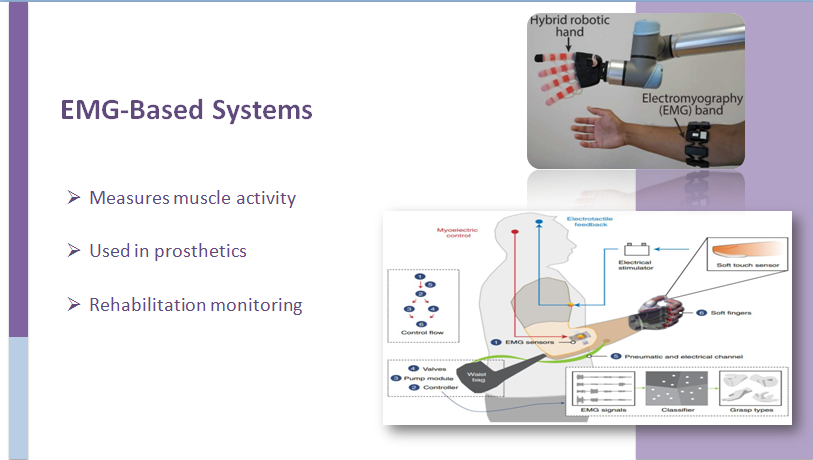
The session also focused on the crucial role of biomedical engineers in rehabilitation technology. The Alumni Guest explained how engineers contribute to the design and development of assistive devices such as prosthetics, orthotics, and mobility aids. They also discussed the importance of bio-signal acquisition and analysis using techniques such as Electromyography (EMG) and Electroencephalography (EEG), which are widely used in rehabilitation monitoring and assistive device control. The integration of engineering systems with clinical applications and the need for proper validation were also emphasized. Furthermore, the speakers explored advanced research areas in rehabilitation technology, including artificial intelligence (AI)-based rehabilitation systems, wearable devices, home-based rehabilitation solutions, and real-time feedback mechanisms. They addressed key challenges such as high cost, limited accessibility, patient adaptation issues, and the need for clinical validation. The importance of rehabilitation technology was highlighted in the context of increasing cases of stroke and accidents, along with the shortage of skilled therapists.
A case study on stroke rehabilitation was presented, where a 55-year-old patient experienced loss of movement in the right hand and difficulty in performing daily activities. The speakers explained how rehabilitation techniques and assistive technologies can help improve patient recovery and independence. The session was highly informative and helped students understand real-time applications and research directions in rehabilitation technology. The lecture also created awareness about funding opportunities available for research, including support from organizations such as ICMR, DST, DBT, AICTE, and international agencies. The session motivated students to explore research, higher studies, and career opportunities in the field of biomedical engineering. The session concluded with an interactive discussion, where students clarified their doubts regarding rehabilitation technologies, research opportunities, and career prospects. Overall, the alumni guest lecture was highly beneficial and provided valuable knowledge on the role of biomedical engineering in advancing rehabilitation and improving patient care.
A total of 100 participants attended the event, including 95 students and 6 faculty members.
Outcome of the event are Students gained understanding of rehabilitation technology and its real-world applications. Enhanced knowledge of advanced techniques such as EMG, EEG, and AI-based rehabilitation systems. Increased awareness about current research trends and opportunities in biomedical engineering. Students were motivated to pursue higher studies and careers in rehabilitation technology
POs and PEOs Coverage: This session contributed to the attainment of the following:
- Program Outcomes (POs):
- PO1: Engineering Knowledge
- PO2: Problem Analysis
- PO3: Design/Development of Solutions
- PO4: Conduct Investigations of Complex Problems
- PO5: Engineering Tool Usage
- PO11: Life-Long Learning
- Program Educational Objectives (PEOs):
- Domain specific knowledge: Graduates of the Programme will be able to exhibit necessary engineering knowledge to create and design optimal model based solutions for complex problems in the domains of Electronics, Communication Engineering, Signal Processing, VLSI design and related fields.
SDG Alignment: This event contributes to the Sustainable Development Goals (SDGs), particularly:
- SDG 3 – Good health and well-being
- SDG 9 – Industry, innovation and infrastructure
- SDG 10 – Reduced inequalities