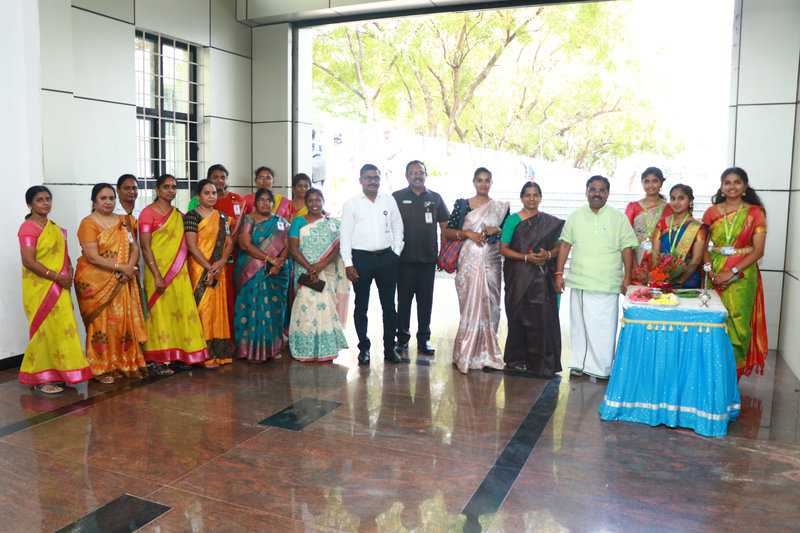
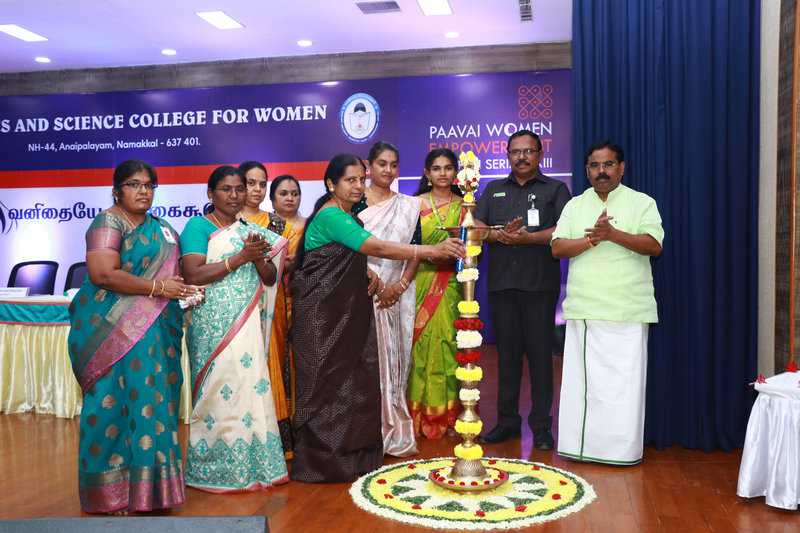
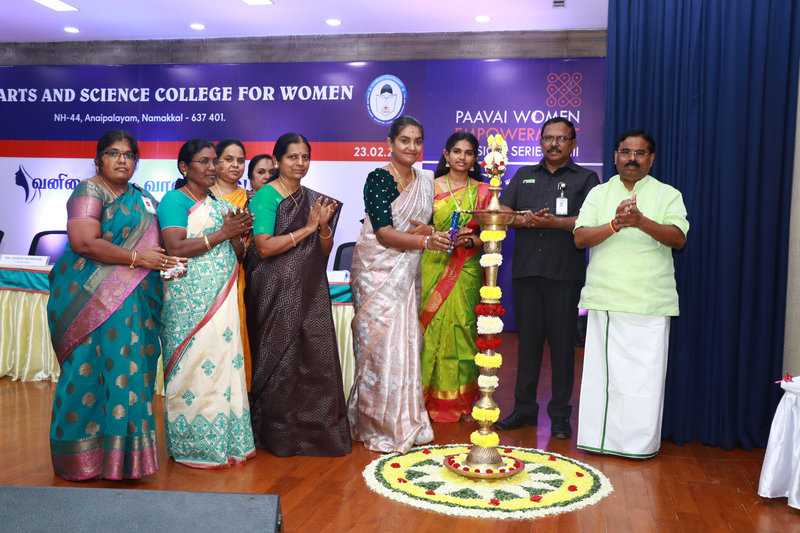
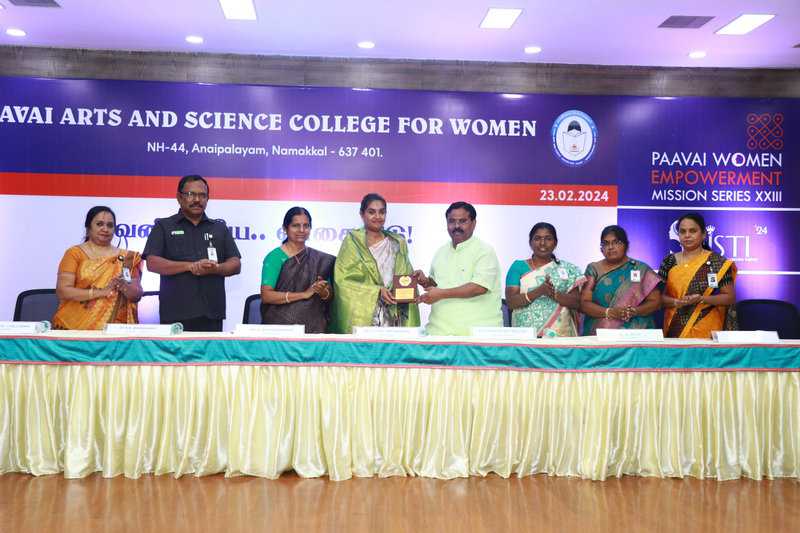
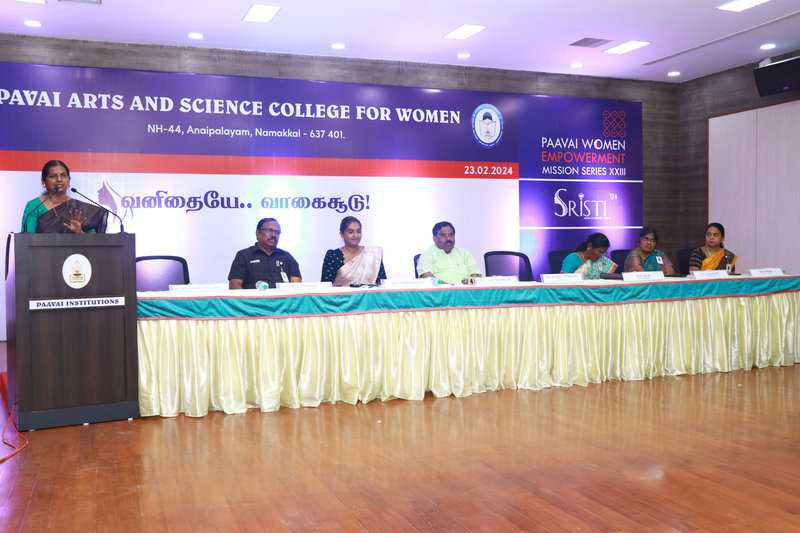
We conducted an awareness program on “Environmental Pollution Prevention and Control” on our college campus on 15th June 2024 as part of the World Environment Day celebrations. First-year Pharm.D students planted trees in the Medicinal Garden on our campus.

The environment encompasses the changes in the surroundings of organisms and consists of various components such as air, water, land, etc. These components are linked in fixed proportions to maintain a harmonious balance that allows different organisms to thrive. Any unwanted changes in these proportions are known as pollution, which is rapidly increasing and creating economic, physical, and social issues. The three primary forms of environmental pollution are air, water, and soil pollution.

Principal Dr. R. Sivakumar, M.Pharm., Ph.D., delivered a talk on environmental pollution and its preventive measures. He emphasized that pollution prevention involves practices that reduce, eliminate, or prevent pollution at its source. By reducing the amount of pollution produced, we minimize the waste that requires control, treatment, or disposal, thus protecting the environment.

Dr. R. Ananthakumar, M.Pharm., Ph.D., Professor and HOD, Department of Pharmaceutics, delivered a talk on the regulations for managing environmental systems. He highlighted the importance of protecting the environment from the adverse effects of pollution and discussed how many nations have enacted legislation to regulate various types of pollution and mitigate their adverse effects. He also stressed that local environmental agencies play a crucial role in supervising pollution control efforts at different levels.

Dr. A. Bharath Kumar, M.Pharm., Ph.D., Associate Professor, Department of Pharmacy Practice, discussed the impact of environmental pollution on healthcare. He explained how rapid industrialization has led to the contamination of land, air, and water resources with toxic materials and pollutants, posing serious health risks to humans and ecosystems. He emphasized the need for a pollution control paradigm as a dominant approach to environmental management.

Mrs. M. Ambiga, M.Pharm., Associate Professor, Department of Pharmaceutics, discussed water pollution control measures in the community. She emphasized that the prevention and control of water pollution should consider the reasonable development and utilization of regional water resources and the water cycle. Protecting drinking water sources to ensure the quantity and quality of water is essential for healthy living. She also suggested setting up sewage treatment plants, discouraging bathing and washing on riverbanks, penalizing industrial waste dumping in rivers, and installing sludge disposal facilities.

The D.Pharm and Pharm.D students, along with teaching and non-teaching faculty members, actively participated in the program. The event concluded with a Vote of Thanks delivered by Dr. A. Bharath Kumar, M.Pharm., Ph.D., Associate Professor. The awareness program was concluded with the National Anthem.